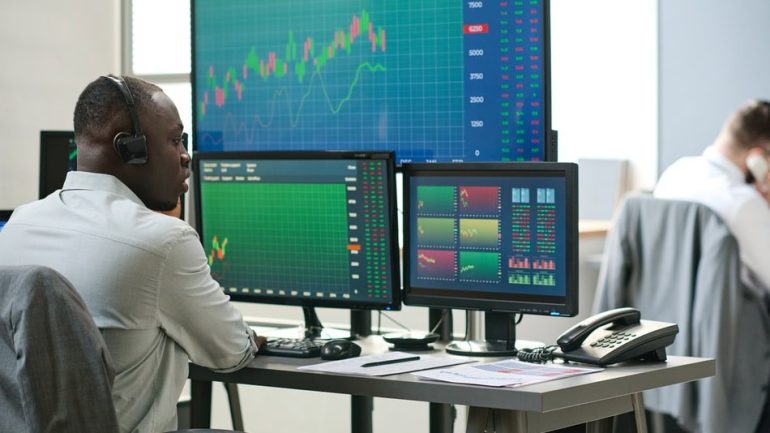
Introduction: Who Really Is a Broker Today?
Mention the word “broker” and for many, images arise of suited professionals shouting orders across bustling trading floors. While this depiction still holds romantic value, it hardly encapsulates what a broker truly is today. In the broadest sense, a broker acts as an intermediary, facilitating transactions between buyers and sellers across countless industries—be it real estate, insurance, commodities, or the dynamic realm of financial markets. Yet beneath this seemingly simple definition lies a profession that has continually evolved to meet the demands of shifting economies, advancing technology, and increasingly sophisticated clients.
The Broker’s Fundamental Role
At its essence, a broker serves a vital economic function—connecting parties who might never find each other otherwise. Brokers leverage market knowledge, negotiation skills, and deep networks to match buyers with sellers at fair, efficient prices. Whether arranging the sale of a suburban family home or executing million-dollar trades on the stock exchange, brokers build bridges of trust in markets that thrive on uncertainty.
Types of Brokers: More Than Just Middlemen
Not all brokers wear the same hat. Each niche within the brokerage world has its own intricacies, norms, and expertise.
1. Stock Brokers
Stock brokers are perhaps the most iconic. They buy and sell securities on behalf of retail and institutional clients, guiding decisions, executing orders, and sometimes managing entire portfolios.
2. Real Estate Brokers
Real estate brokers connect buyers and sellers of property. Beyond arranging transactions, they provide valuable market analysis, legal guidance, and negotiation support.
3. Insurance Brokers
These brokers help clients find the right insurance policies by comparing offerings from multiple providers, ensuring clients receive tailored coverage at competitive rates.
4. Forex and Commodity Brokers
Specialized brokers in currency and commodities enable clients to trade in highly volatile, global markets that demand acute awareness of geopolitical and economic shifts.
5. Online and Discount Brokers
In the digital era, online brokers have transformed the traditional model by offering self-directed platforms with lower fees, appealing to tech-savvy investors who prefer autonomy.
Technology’s Profound Impact
No discussion about brokers is complete without acknowledging how technology has reshaped their profession. The digital revolution has democratized access to markets that were once gated by physical trading floors and insider networks.
Online brokerage platforms have given retail investors unprecedented tools:
-
Real-Time Data: Immediate access to market prices and trends
-
Low or Zero Commissions: Fierce competition has driven transaction costs down
-
Educational Resources: Tutorials and research empower clients to make informed choices
-
Algorithmic Trading: Advanced clients can deploy bots to execute complex strategies instantly
While technology has made investing more accessible, it has also redefined what clients expect from a broker. The modern broker must add value beyond simple execution—offering personalized advice, unique insights, and a human touch that algorithms alone cannot replicate.
Trust and Regulation: The Broker’s Ethical Compass
Because brokers handle sensitive financial transactions, trust is the currency on which they trade. Unscrupulous brokers, pump-and-dump schemes, and hidden fees have historically plagued the profession’s reputation. To counter this, most markets impose strict regulations, licensing, and oversight.
For example:
-
Stock brokers often must pass exams such as the Series 7 in the United States.
-
Real estate brokers need state-issued licenses and ongoing education.
-
Financial authorities like the SEC, FCA, and ASIC supervise broker conduct.
These frameworks aim to safeguard clients, maintain market integrity, and hold brokers to high ethical standards. Reputable brokers, in turn, treat these regulations not as burdens but as the bedrock of their credibility.
The Human Element: What Sets Great Brokers Apart
While technology has automated many tasks, certain qualities remain irreplaceable:
-
Emotional Intelligence: Understanding clients’ goals, fears, and dreams
-
Negotiation Skills: Securing the best deals in complex, high-stakes situations
-
Market Intuition: Years of experience navigating economic cycles
-
Communication: Explaining complicated concepts in clear, honest language
These traits distinguish a competent broker from an exceptional one. In a world awash with data, people still crave trust, empathy, and reassurance—qualities no algorithm can fully replicate.
Challenges Brokers Face Today
Brokers stand at a crossroads defined by profound changes:
-
Automation and AI: Robo-advisors threaten to erode margins and reduce the perceived need for human intermediaries.
-
Fee Compression: The race to zero commission has forced brokers to find new ways to generate revenue.
-
Regulatory Scrutiny: Heightened regulations demand costly compliance systems and constant vigilance.
-
Changing Client Expectations: Younger, digital-native investors often demand transparency, real-time access, and values-driven investment options.
To stay relevant, brokers must adapt, innovate, and continuously prove their worth in ways that technology alone cannot deliver.
Keys to Choosing the Right Broker
For individuals and businesses alike, selecting a broker remains a critical decision. Consider the following:
-
Licensing and Reputation: Verify credentials and read client reviews.
-
Fee Structure: Understand how the broker earns—commissions, spreads, advisory fees—and ensure it aligns with your goals.
-
Technology and Tools: Evaluate whether the platform offers robust features, research, and security.
-
Customer Support: Responsive service can be invaluable during high-stakes transactions.
-
Transparency: A reputable broker discloses all fees, risks, and conflicts of interest upfront.
The Road Ahead: Reinventing the Brokerage Model
Looking forward, the brokerage industry shows no signs of stagnation. Instead, it stands as a testament to how timeless human roles evolve alongside technological leaps. We can expect brokers to increasingly blend artificial intelligence with personalized service, embracing hybrid models that offer the efficiency of automation and the nuance of human judgment.
For the best brokers, this is not a threat but an opportunity—a chance to focus on the relationship side of their business, where real value lies. In doing so, they reaffirm their enduring relevance in a world that prizes both speed and trust.
Conclusion: The Broker as a Bridge
At its finest, brokerage is an art—an intricate dance of trust, insight, and negotiation that connects people to opportunities they might otherwise never find. The tools may change, the markets may evolve, but the essence of the broker remains: a skilled guide through the labyrinth of modern commerce. Whether you are buying your first stock, insuring your family’s future, or investing in your dream home, a great broker stands as your advocate—one who turns complexity into clarity and possibility into reality.